
As a chiropractor who has spent years treating disc-related back pain, sciatica, and stubborn nerve symptoms, I’ve seen how many people start looking into Spinal Decompression Portland only after they have already tried to push through the problem for far too long. By the time they arrive in my office, they’ve usually gone through the same cycle: rest for a few days, feel a little better, sit too long or bend the wrong way, and end up right back where they started.
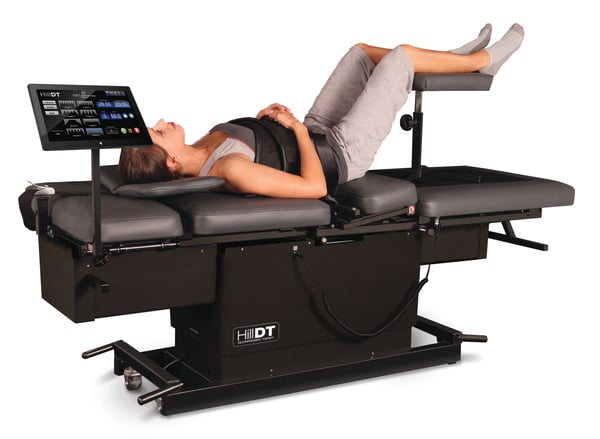
That pattern matters because spinal decompression is not for every kind of back pain. I say that plainly to patients. If someone has a simple muscle strain from yard work or a short-lived flare after a long drive, I’m not eager to point them toward decompression. But when a person describes pain that travels into the leg, numbness that comes and goes, or a back that feels worse after sitting and slightly better when standing or walking, I start thinking more seriously about disc involvement and whether decompression belongs in the conversation.
One patient I remember clearly was a man who had spent months trying to “stretch out” pain running from his low back into one hip and down the leg. He kept assuming the tighter he felt, the more aggressive he needed to be with stretching. In reality, every time he pushed harder, he irritated the area more. Once we evaluated him properly, it became clear his issue was less about tight muscles and more about pressure and irritation around the lumbar discs. Decompression, combined with careful chiropractic care and activity modifications, gave him a path forward that made much more sense than forcing deeper stretches.
That is one of the biggest mistakes I see. People treat symptoms as if they automatically reveal the cause. Tightness does not always mean the muscles are the main problem. Sometimes the body tightens up because it is guarding something deeper.
I also think patients should be wary of anyone presenting spinal decompression as a miracle fix. In my experience, the best results come when it is used thoughtfully and for the right person. Last spring, I worked with a woman whose low back pain became sharp and unpredictable every time she sat through long workdays. She had already tried massage, new office chairs, and random online exercises. What helped her was not one dramatic session. It was a treatment plan with decompression as one piece of it, along with a better understanding of how her symptoms behaved, what positions aggravated them, and how quickly she should return to normal activity.
That kind of honesty matters. I would rather under-promise than oversell. Some patients improve steadily within a relatively short stretch of care. Others need more time, especially if the problem has been simmering for months or they keep re-irritating it with the same habits.
If someone asked me what to look for in a provider offering spinal decompression in Portland, I would say this: find someone who explains why they are recommending it. They should be able to tell you what signs suggest disc pressure, what decompression is meant to do, and what would make them decide you are not a good fit. I do not trust one-size-fits-all care, especially with back pain.
Spinal decompression can be a very useful option, but only when it is matched to the right condition and guided by someone paying attention to the full picture. That is usually where real progress starts.