
After more than ten years working hands-on as a professional appliance cleaner, I’ve learned that most ovens don’t “wear out” the way people think they do. The first time I saw what a proper oven cleaning service in Sydney could restore in a heavily used family kitchen, it reinforced something experience had already taught me: ovens usually fail slowly, buried under layers of grease and carbon that interfere with how they’re meant to work.
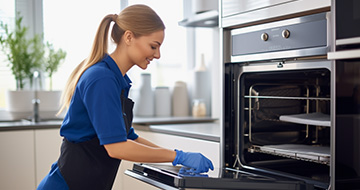
Sydney kitchens are busy kitchens. I’ve cleaned ovens in beachside apartments where salt air mixes with grease, and suburban homes where the oven runs almost every night. One job that stands out involved a household that loved roasting vegetables but avoided using the oven because it smoked constantly. They assumed the appliance was on its way out. Once the internal panels, fan area, and door seals were properly cleaned, the smoke stopped entirely. A week later, they told me they were using the oven again without hesitation.
People often think oven cleaning is cosmetic. From the outside, many ovens look acceptable. Inside is another story. Grease doesn’t just pool at the bottom; it travels. Over time, it coats the fan blades, insulates temperature sensors, and hardens around door seals. I once opened an oven that heated erratically, burning food on one side and leaving the other undercooked. The cause wasn’t faulty electronics—it was airflow restricted by old buildup. After a thorough clean, the oven behaved predictably again.
A mistake I see repeatedly is reliance on supermarket sprays and self-clean cycles. I’ve dealt with warped racks, damaged enamel, and door locks that failed mid-cycle. One customer tried a high-heat clean before hosting guests and ended up with an oven that wouldn’t unlock for hours. By the time I arrived, chemical residue had baked onto the interior surfaces. Removing it safely took far longer than a proper clean would have in the first place.
Experience also teaches restraint. Not every component should be scrubbed aggressively. Door seals, elements, and thermostats require careful handling. I’ve re-cleaned ovens where seals were degraded by overuse of chemicals, leading to heat loss and longer cooking times. That kind of damage doesn’t show up immediately, but months later, people wonder why their oven struggles to maintain temperature.
One of the most consistent comments I hear after a proper clean is about smell—or rather, the lack of it. Many homeowners don’t realize how much old grease affects food aroma. After cleaning, baked goods smell neutral again, and savory dishes lose that faint burnt undertone people had subconsciously accepted. That change alone often surprises them more than the visual result.
Over the years, I’ve watched people delay replacing ovens because a professional clean restored confidence in using them. Others start cooking more simply because the appliance feels reliable again. That’s the quiet value of proper oven cleaning: not shine for a day, but performance that lasts.
From my perspective, an oven cleaning service done properly isn’t a luxury or a superficial fix. It’s maintenance that protects the appliance, improves cooking results, and removes problems many people assume are unavoidable. Once the buildup is gone, the difference is immediate—and it changes how people use their kitchens without them even thinking about it.